Designing the experience for Electric Vehicle adoption and ownership.
Overview
There are many motivators that influence individuals to purchase Electric Vehicles. These motivations range from traditional attractors like performance or those that are more emergent such as an alignment with personal values and purpose.
This study sought to uncover motivators and barriers to purchasing EVs by exploring the personal contexts, passion points and areas of friction that are experienced by Electric Vehicle owners. While there was recognition that EV owners shared an ‘early adopter’ mindset, this study sought to better understand what factors led to this mindset and what could be learned to guide an eventual approach to more of a mass market customer.
The research was focused on the following key questions:
1) What are the barriers to adoption? What workarounds are owners using to solve for these barriers?
2) What are the key motivators or passion points for EV owners?
3) In addition to vehicle attributes, what role does experience and service design play in the owner’s motivations and experience?
Broaden Our Perspective
Discover
In this phase we find allies, talk with experts, follow ethcial guidelines, involve stakeholdres, hunt for data sources.
Research Design
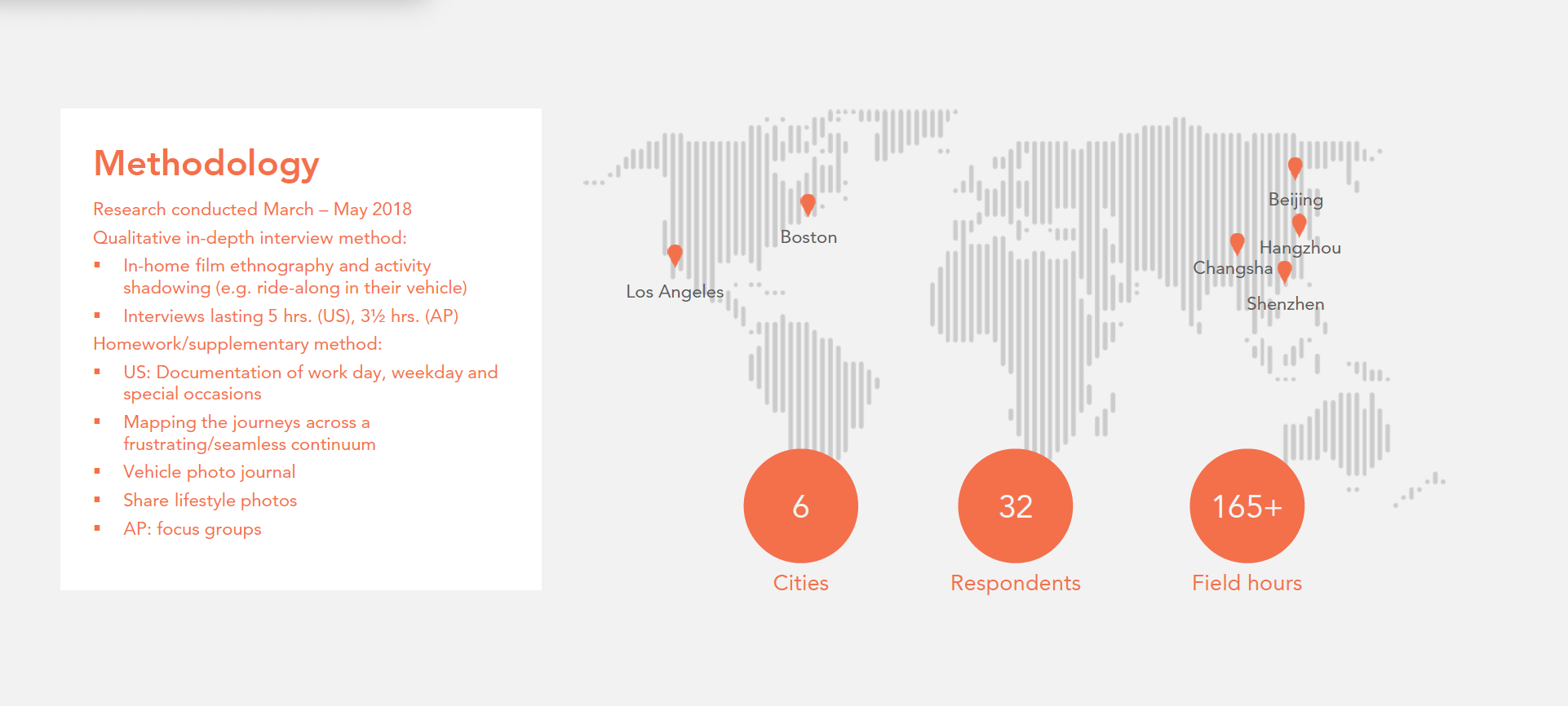
As the research lead, I worked with a team of designers and strategists to coordinate research activities, conduct interviews, evaluate and synthesize data and eventually consolidate the findings and final report.
We spoke to EV owners in New York, California, New Jersey, and Massachusetts. We collaborated with a partner agency in Shanghai which lead China specific research and documentation. The findings from the research were integrated and contextualized for the client.
Research Activities:
Stakeholder Interviews
Diary Studies
Ethnographic Immersions
Ride-Alongs and Vehicle Tours
Ideal Future Visioning
Design Feedback

Stakeholder Interviews
The project was initiated with stakeholder interviews with cross-functional teams and programs.
We met with various stakeholders including: designers, engineers, marketers, leadership, and researchers. The intention of these interviews was to uncover where there was existing interest and creative energy, and hypotheses.
Diary Studies
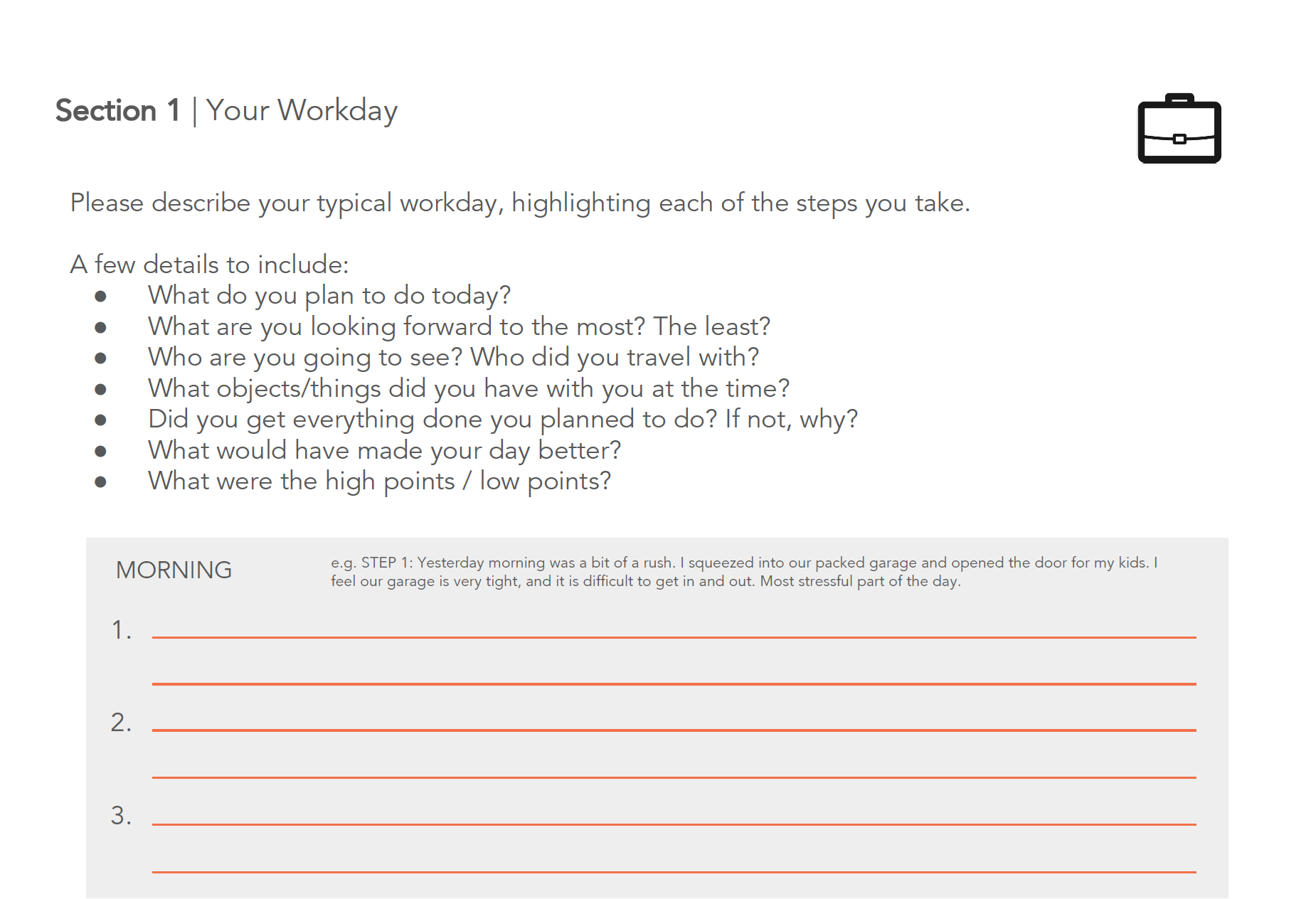
This is an example of the pre-work assigned to research participants. The objective of the homework was to get a sense of our participants and shape the research and interview guide that we eventually used in the field.
The homework included questions about their daily life, their hopes and dreams, practical restraints and their favorite elements of their vehicles.
We received personal photos, vehicles photos and diary style entries about their weekdays and weekends.
Ethnographic Immersions
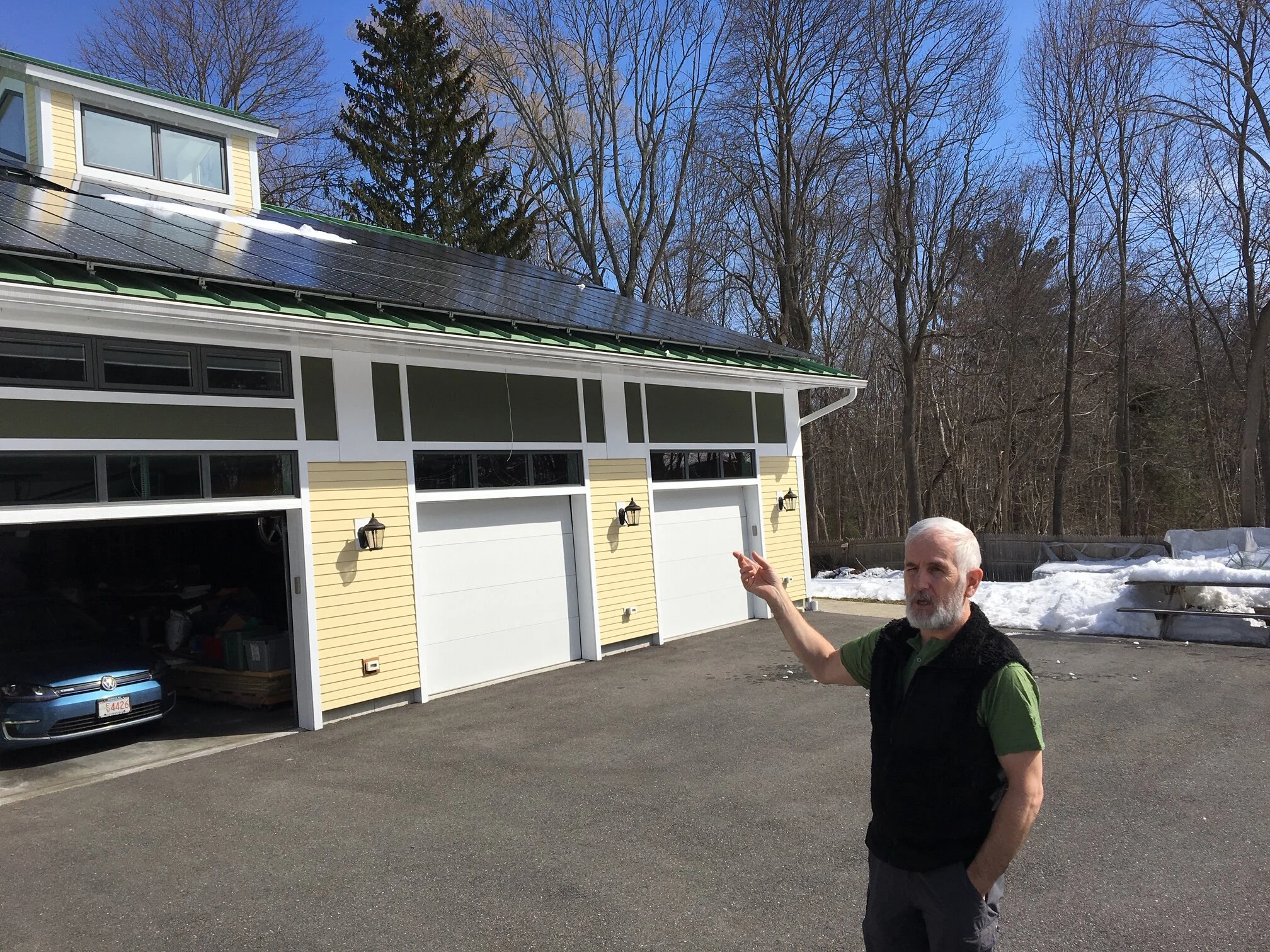
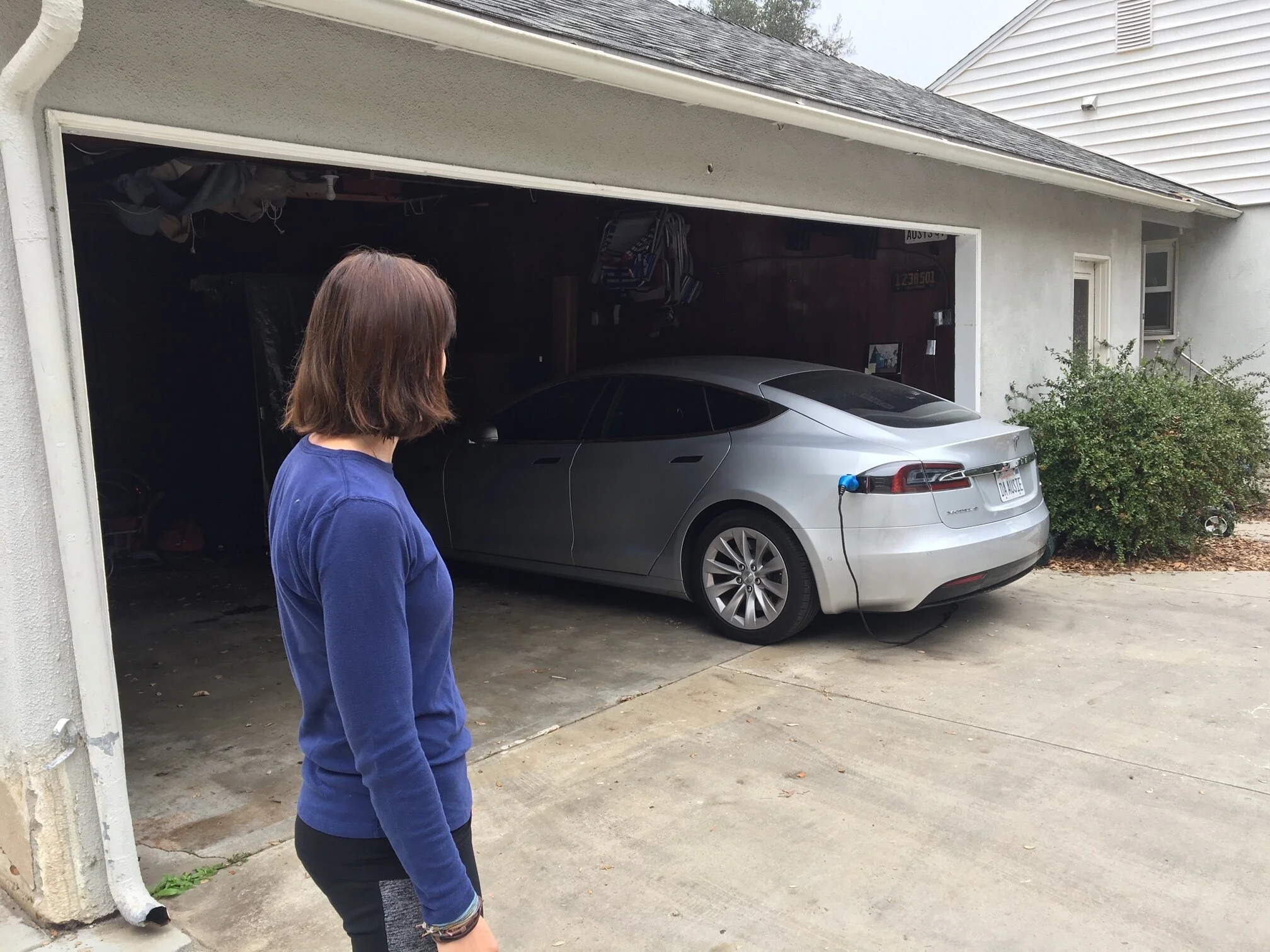
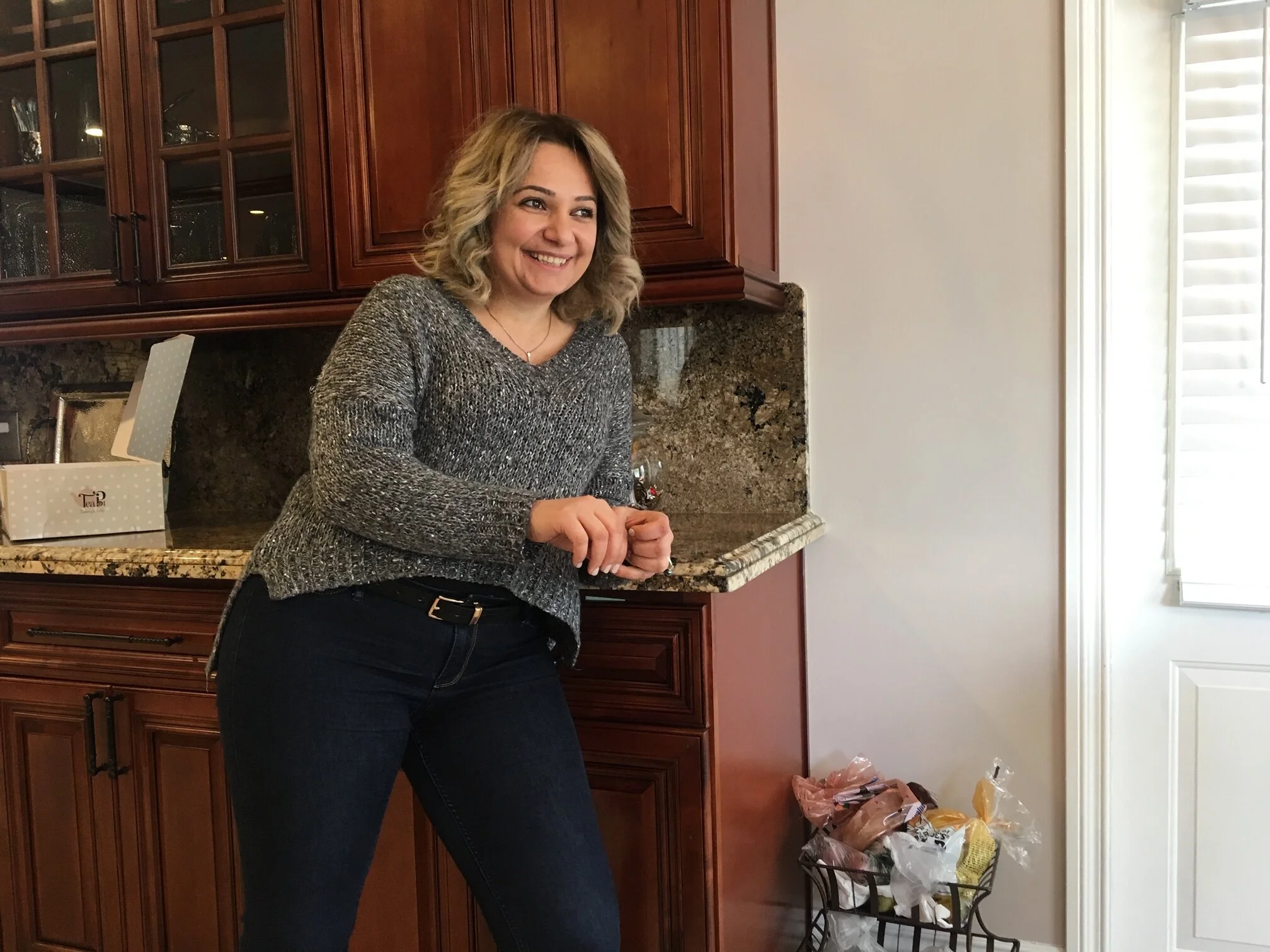
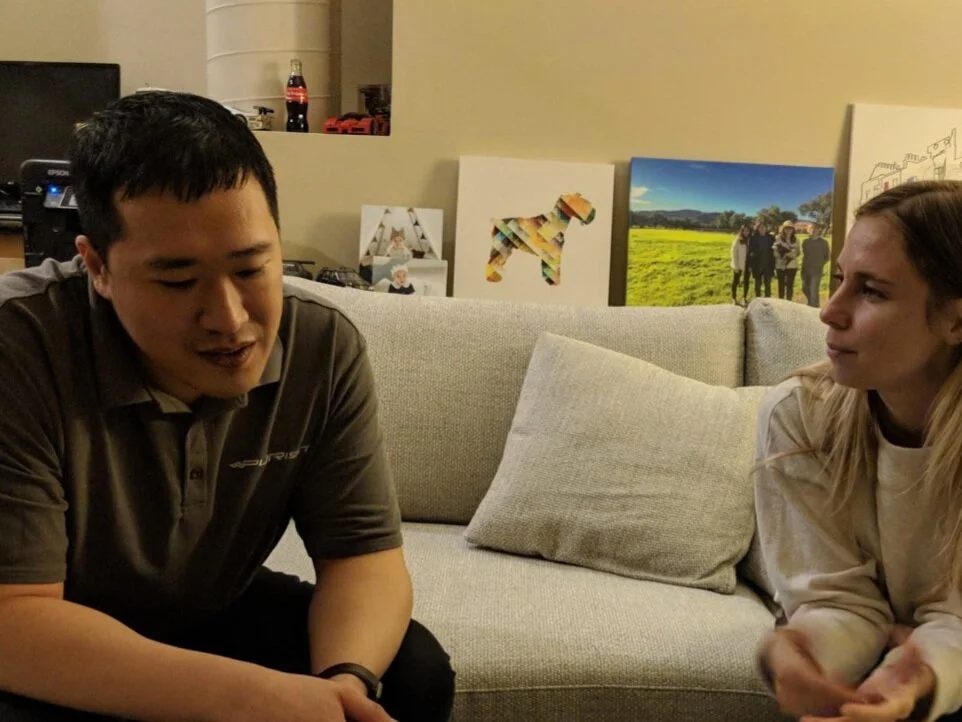
The ethnographic immersions were focused on gaining a broad understanding of the research participants — where they lived, what they cared about, what motivated them, what they loved and where they hoped to go in their lives. We spoke deeply about their family circumstances, their needs broadly, what they did to have fun, their interior decor choices and most importantly, their vehicles.
The research participants gave us a tour of their vehicles, their most liked and disliked design elements and features. They drove us to a destination of their choice and often took us for longer drives to show us their neighbourhoods or favourite cruises.
Understand what we’ve learned
Explore
In this phase we find allies, talk with experts, follow ethical guidelines, involve stakeholders, hunt for data sources.
Synthesis
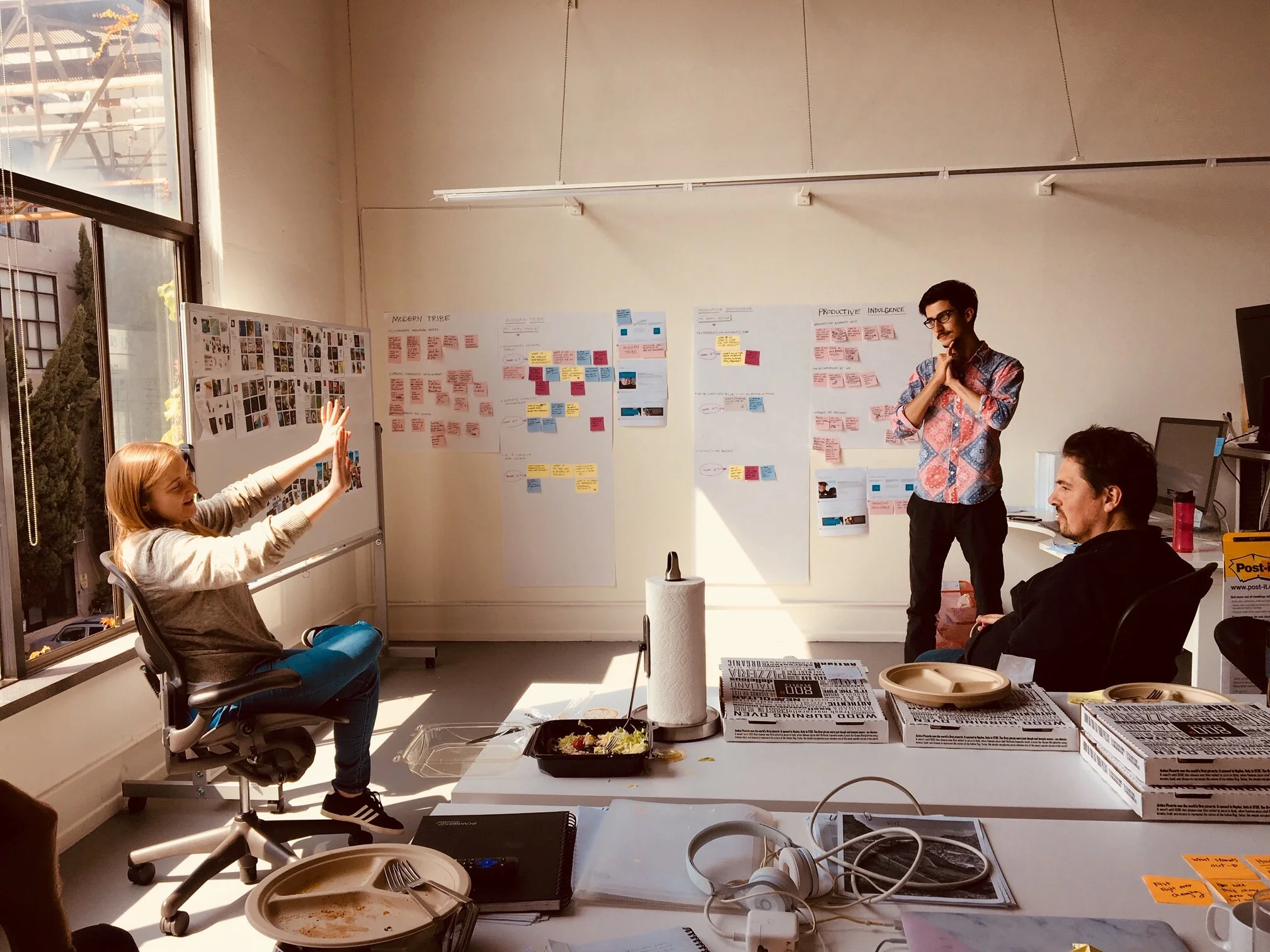
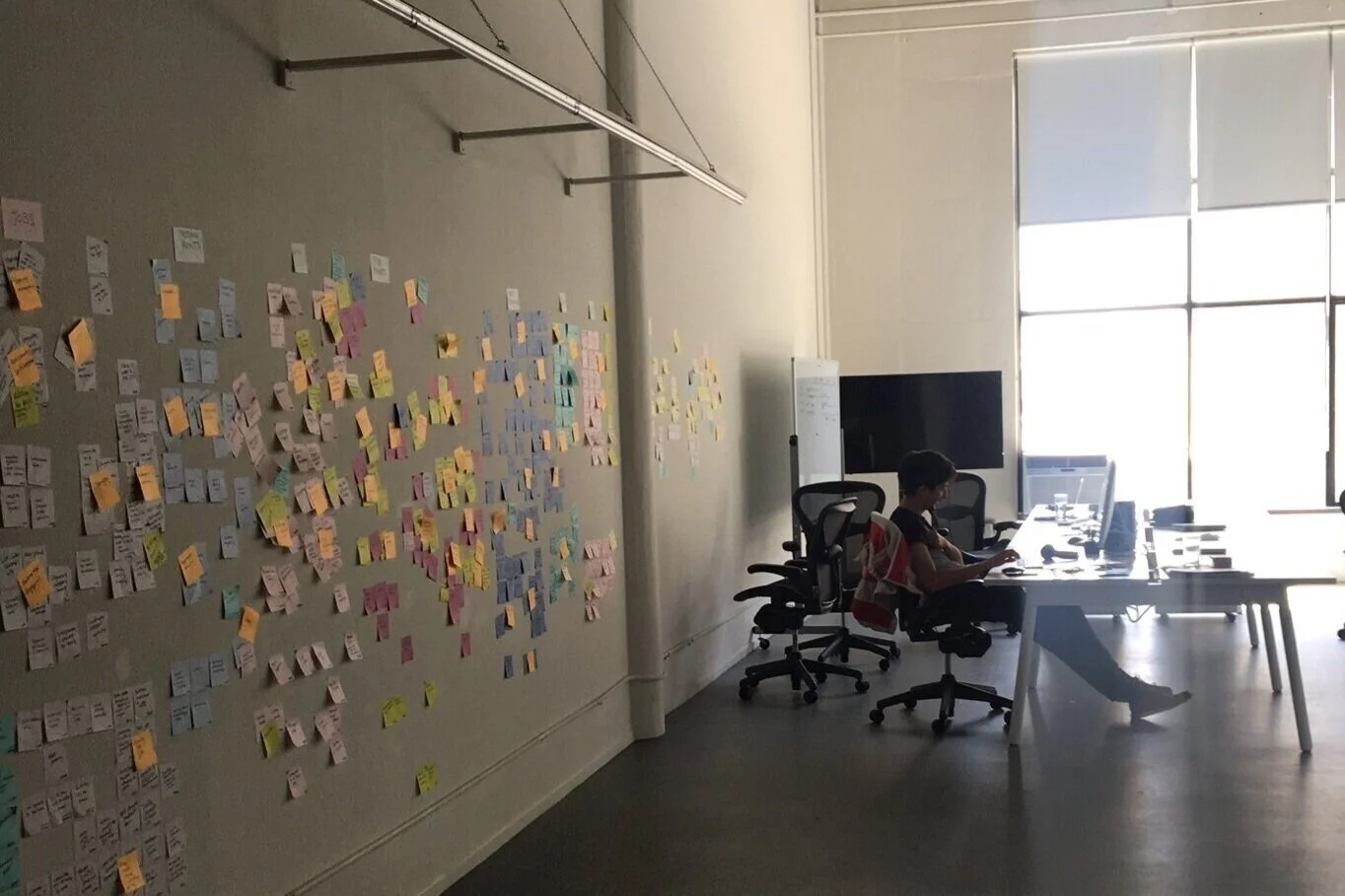
As the research was completed we began to synthesize the data that was collected from each of the research participants. We worked across several information hierarchies simultaneously, exploring insights from a product level (design features, and technology preferences) and at a more emotional journey level, looking at groupings of motivations and behaviors to own an EV.
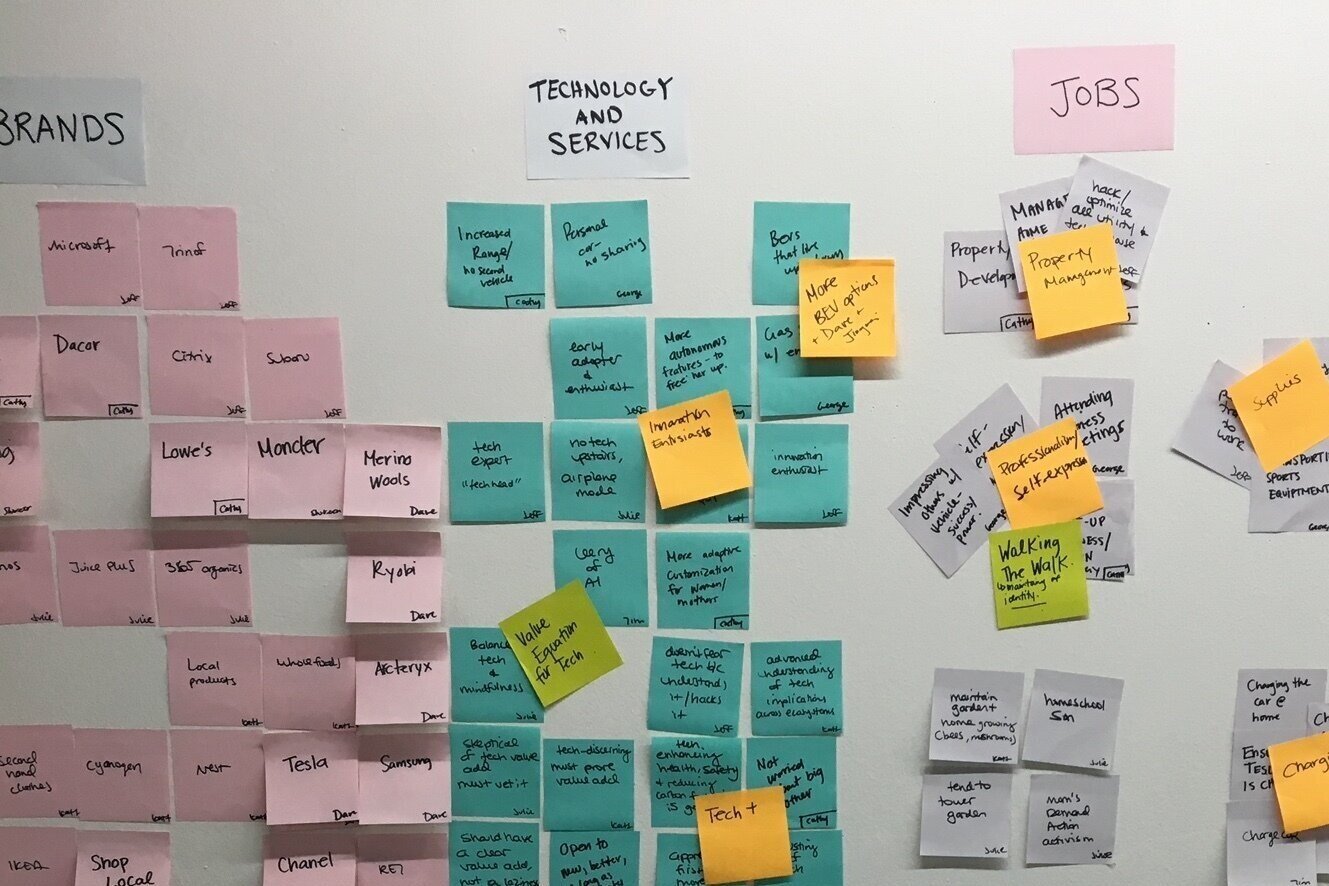
Our findings led us to understand that there were distinct groupings of behavior and motivators which were eventually turned into personas. Conversely the aspects of the product that were loved and desired were similar across all groups.
We identified personas, product design opportunities and experience opportunities.
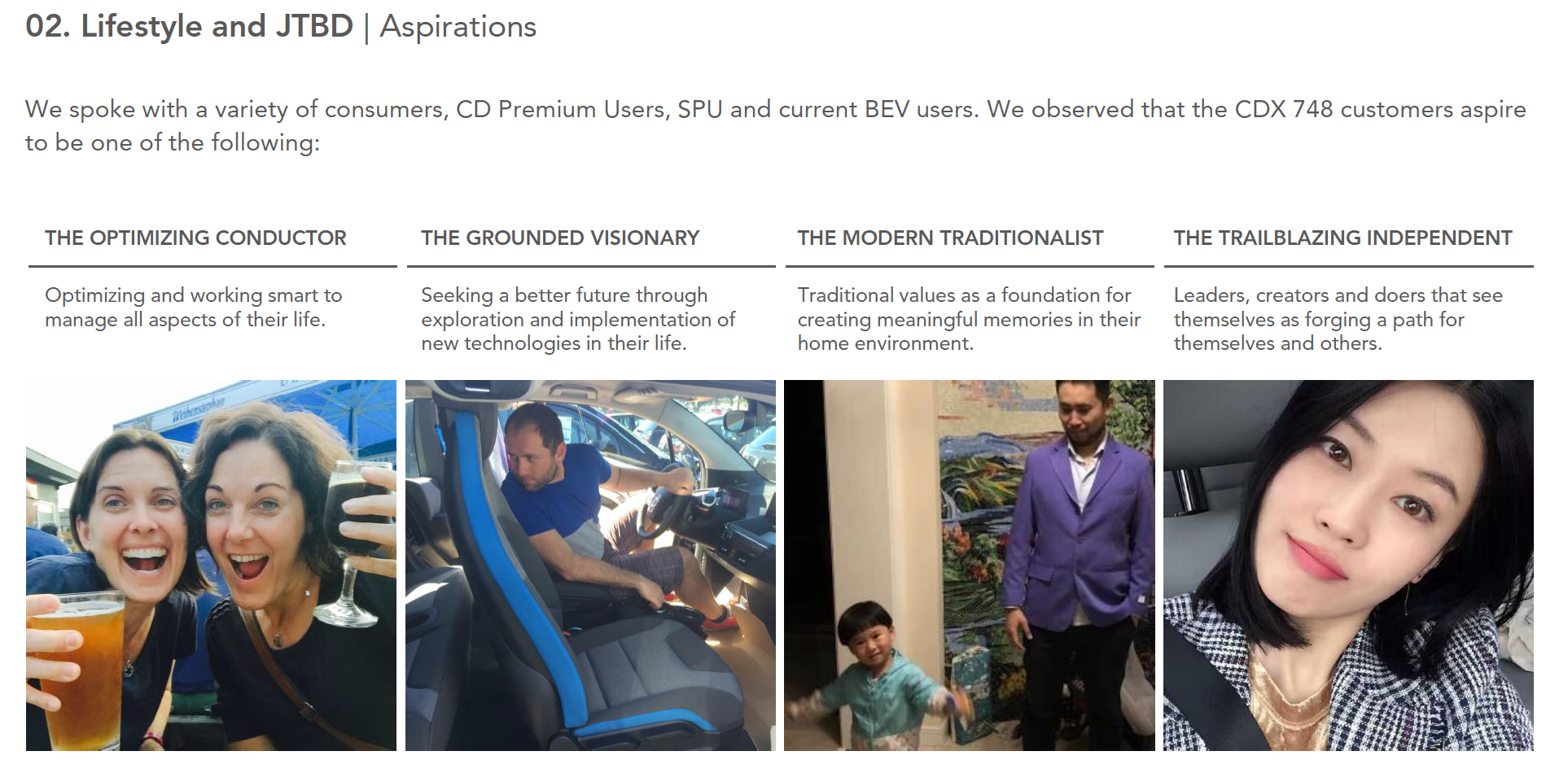
Personas
The personas that were developed helped us understand the distinct emotional and behavioral dispositions that brought different individuals to purchase EVs. Their motivations were deeply tied to individual goals and ambitions from an urge to ‘live in the future’ to a deep desire to contribute to a carbon-neutral world.
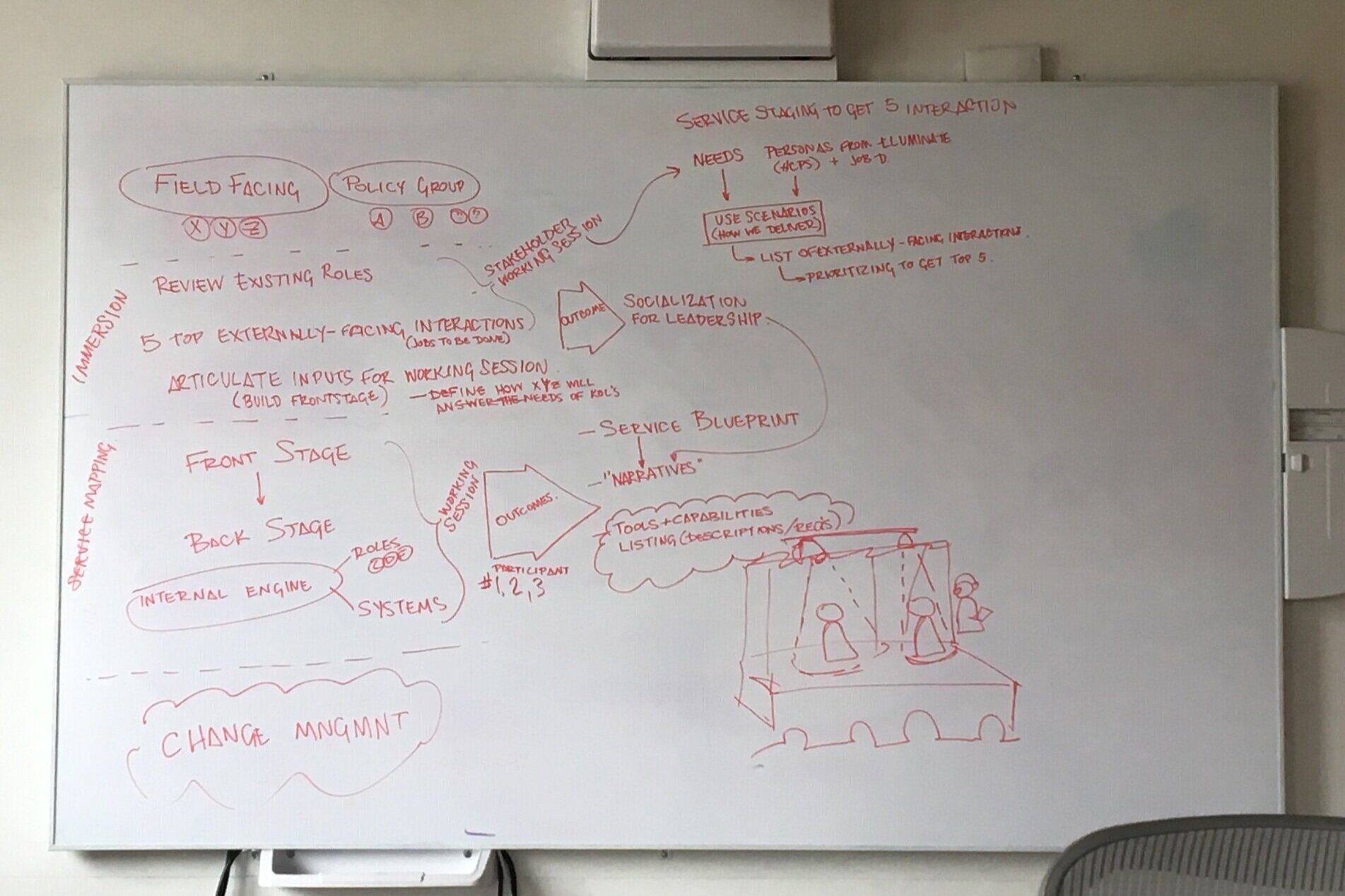
The personas were also used for opportunity exploration, future product experience and design concepts. We tailored each ideation to a specific persona and developed overarching experience guidelines that refocused the recommendation on what was commonly needed.
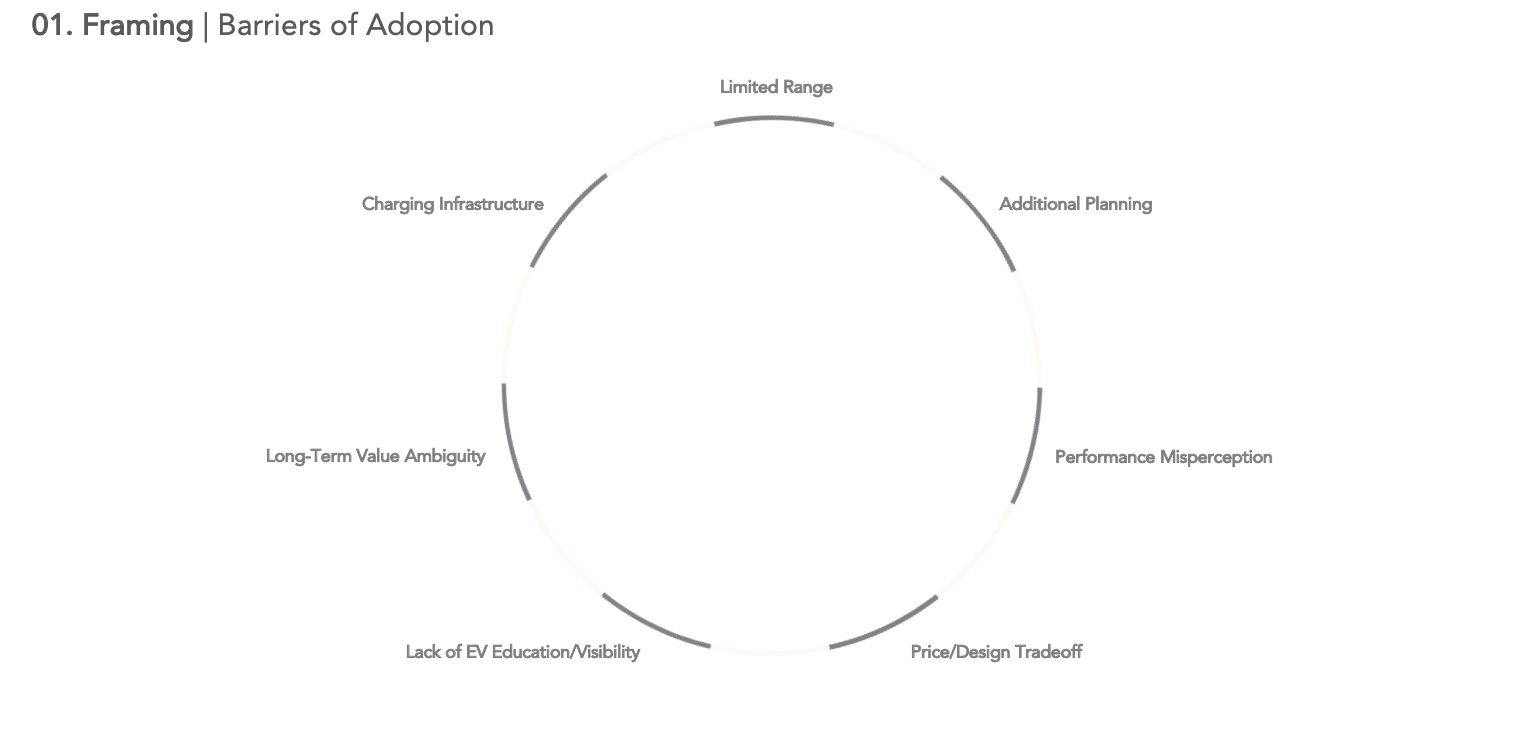
Framing Opportunities
Through identification of the common painpoints and challenges, we identified and prioritized the most pressing experience solutions that our client would need to bring to market with the launch of their first EV.
Understand what we’ve learned
Test
In this phase we find allies, talk with experts, follow ethical guidelines, involve stakeholders, hunt for data sources.
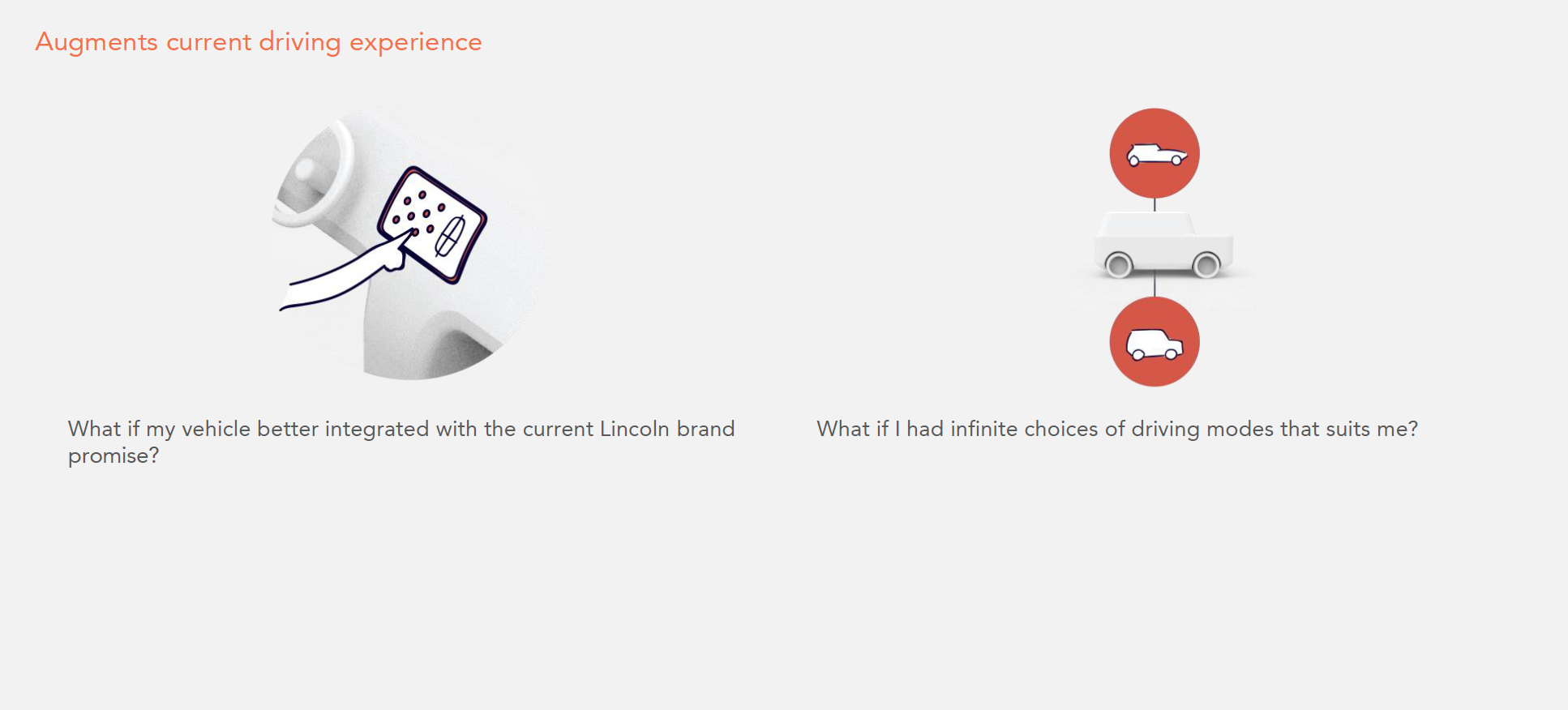
Concept Design
After opportunity areas were identified we developed product and future experience concepts, which we sketched out and paired with provocations.